

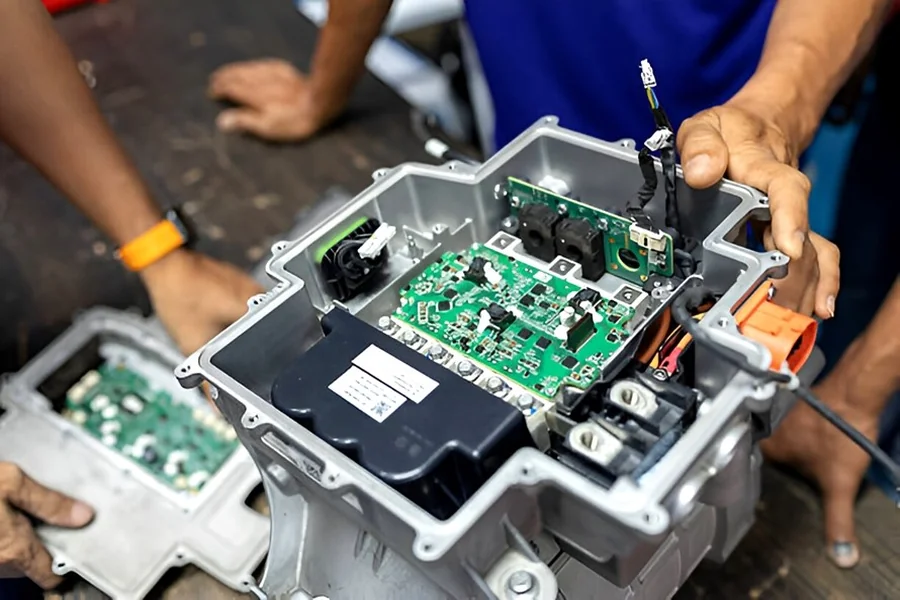
Through hole PCB assembly is one of the most dependable and time-tested methods of electronic assembly. It involves inserting component leads into pre-drilled holes on the printed circuit board and soldering them securely to create strong mechanical and electrical connections. Even with the rise of modern SMT technology, through hole PCB assembly remains essential, especially in applications that demand durability, high reliability, and resistance to mechanical stress.
Why Through Hole PCB Assembly Remains Important
The biggest strength of through hole PCB assembly lies in the solid bond it creates between the component and the board. This makes it ideal for products exposed to extreme conditions, including vibration, heat, and physical stress. Unlike surface mount components, through hole parts are anchored firmly through the board, offering long-term stability. Industries such as automotive, aerospace, industrial automation, and power electronics still rely heavily on this method, proving its continued relevance in today’s advanced electronics manufacturing landscape.
How Through Hole PCB Assembly Works
The process begins by drilling precise holes into the PCB based on the design specifications. Components with leads—such as resistors, capacitors, connectors, relays, and transformers—are inserted into these holes. Assembly technicians or automated machines place the components, ensuring proper alignment and lead length. The board then proceeds to soldering, which can be done using wave soldering for large batches or selective soldering for mixed-technology boards. Once soldering is complete, the assembly undergoes inspection to ensure a perfect bond and reliable connection.
Types of Through Hole Components
Through hole PCB assembly commonly uses two types of leads: axial and radial. Axial components have leads on both ends, allowing them to sit flat on the board, making them suitable for compact designs. Radial components have both leads on one side and stand vertically on the PCB. Each type has its own benefits depending on the design and available space. Together, they offer flexibility and compatibility with a wide range of electronic applications.
Advantages of Through Hole PCB Assembly
Through hole PCB assembly offers several key advantages that make it indispensable for certain product categories. Its mechanical strength is unmatched, which is why it is widely used in heavy-duty electronics. It also provides better heat resistance, making it ideal for high-power components that generate significant heat. Another advantage is ease of prototyping, as through hole components are easier to insert, adjust, and replace during testing phases. This makes them popular among engineers and product developers working on new designs.
Applications of Through Hole PCB Assembly
Industries that require robust and long-lasting performance frequently choose through hole PCB assembly. Power supplies, transformers, industrial control units, medical devices, sensors, and military equipment often use through hole components due to their stability and durability. Automotive electronics, such as engine control modules and dashboard components, also rely on this assembly method because they are regularly exposed to vibration and temperature fluctuations. Even in consumer electronics, through hole components are essential for connectors, switches, and other structural elements.
Challenges in Through Hole PCB Assembly
Despite its strengths, through hole PCB assembly can be more labor-intensive and time-consuming compared to SMT assembly. Drilling holes takes extra time, and manual placement may be required in some cases. Additionally, through hole assembly limits design flexibility because drilling consumes board space. However, these challenges can be effectively managed by working with an experienced manufacturer that uses automated insertion machines, selective soldering systems, and advanced inspection tools.
Mixed Technology in Through Hole PCB Assembly
Many modern products combine through hole and surface mount technologies to achieve the best balance of durability and miniaturization. Through hole components are used for connectors, high-load parts, and mechanical support, while SMT components handle high-density circuits and smaller functions. This mixed-technology approach ensures reliability without compromising compact size, making it a preferred choice for many industries.
Quality Testing in Through Hole PCB Assembly
To ensure long-lasting performance, several inspection methods are used during and after through hole PCB assembly. Visual inspection, automatic optical inspection (AOI), X-ray scanning, and functional testing help verify solder joint strength, proper placement, and electrical continuity. Strict quality control ensures that each assembled board can withstand harsh environments and deliver consistent performance throughout its life cycle.
Why Through Hole PCB Assembly Is Still Relevant Today
With the evolution of modern electronics, some assume that through hole technology is outdated. However, its reliability and strength make it essential for mission-critical applications. Products that must operate in rugged environments, carry heavy currents, or withstand mechanical stress simply cannot rely on SMT alone. Through hole PCB assembly fills this gap by delivering unmatched connection durability.
Final Thoughts
Through hole PCB assembly continues to be one of the most reliable manufacturing methods for durable and high-performance electronics. Whether you are developing industrial systems, automotive modules, power electronics, or mission-critical devices, through hole assembly ensures the strength, longevity, and stability your products require. For dependable and efficient production, partnering with a trusted china one-stop pcb assembly service provider can help you achieve high-quality results, seamless project handling, and cost-effective manufacturing from design to final assembly.
